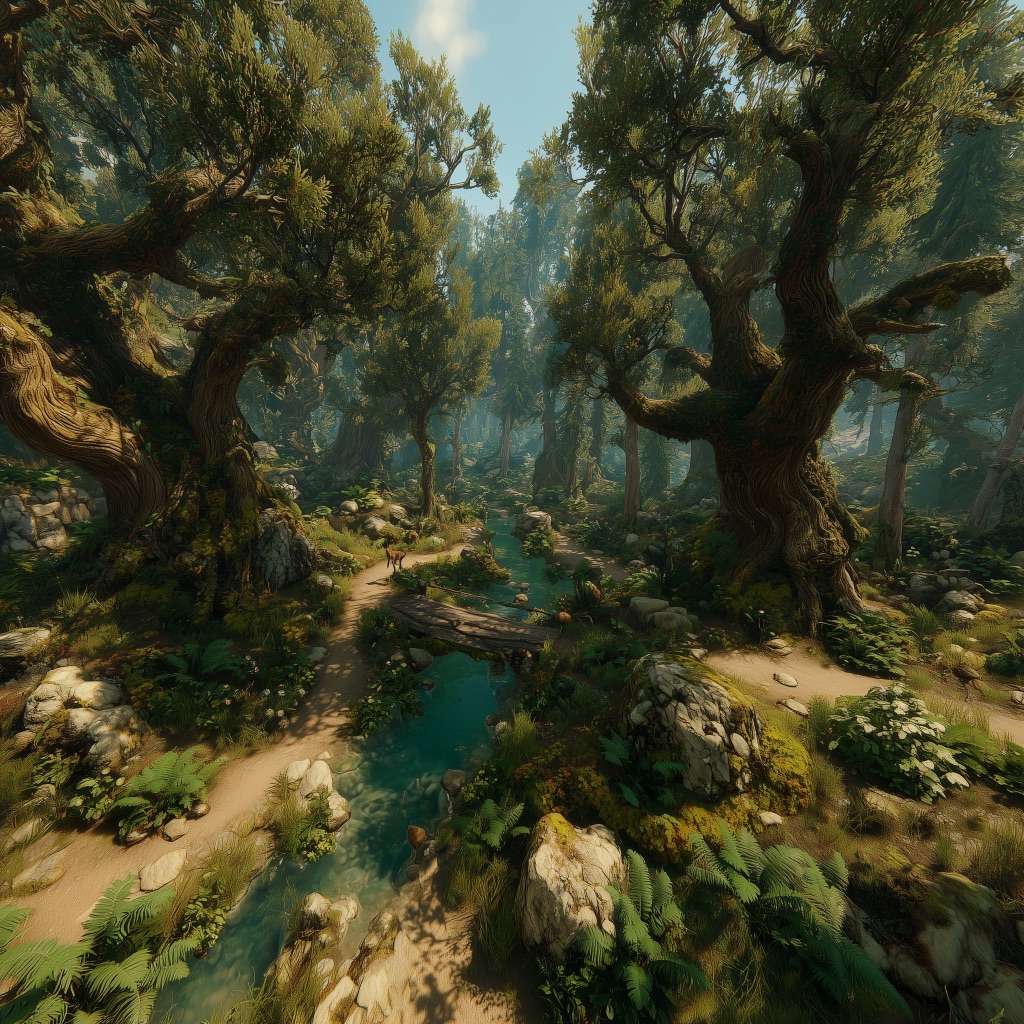
The Tale of Niyar's Departure
Niyar was different from a young age. He saw what others couldn't, but his words came sharp. This is the story of his departure.
Atherion Team
Niyar was different from a young age, and that was not a compliment.
In a small village living on the banks of a fading river, where people knew what they would do each day, and where too many questions were considered a burden, Niyar asked more than he should have.
He was not lazy, nor a coward, nor disrespectful.
But he looked too far ahead.
While the men repaired the dam every year, Niyar would say: “We fix it every year… and every year it grows weaker.”
And while the elders spoke of patience, he would reply: “Patience doesn’t change direction.”
His words were true at their core, but they were spoken too quickly, in the tone of a young man who believed that vision alone was enough.
And so, he was not well-liked in the village.
No one hated him, but they said of him: “Too clever for his own good.” “Doesn’t know when to be quiet.” “Speaks as if he’s the only one who understands.”
And there was some truth in that.
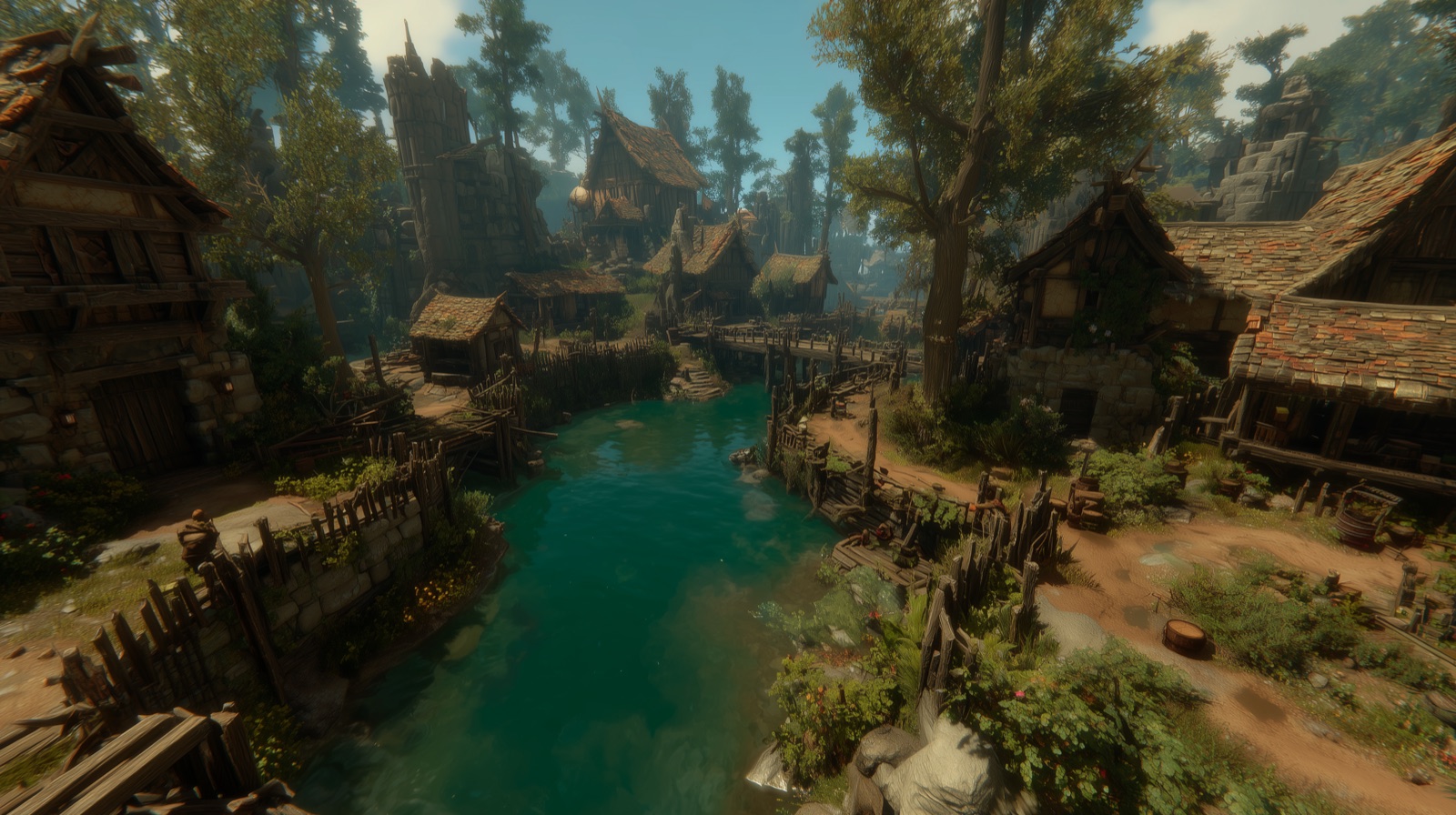
Home
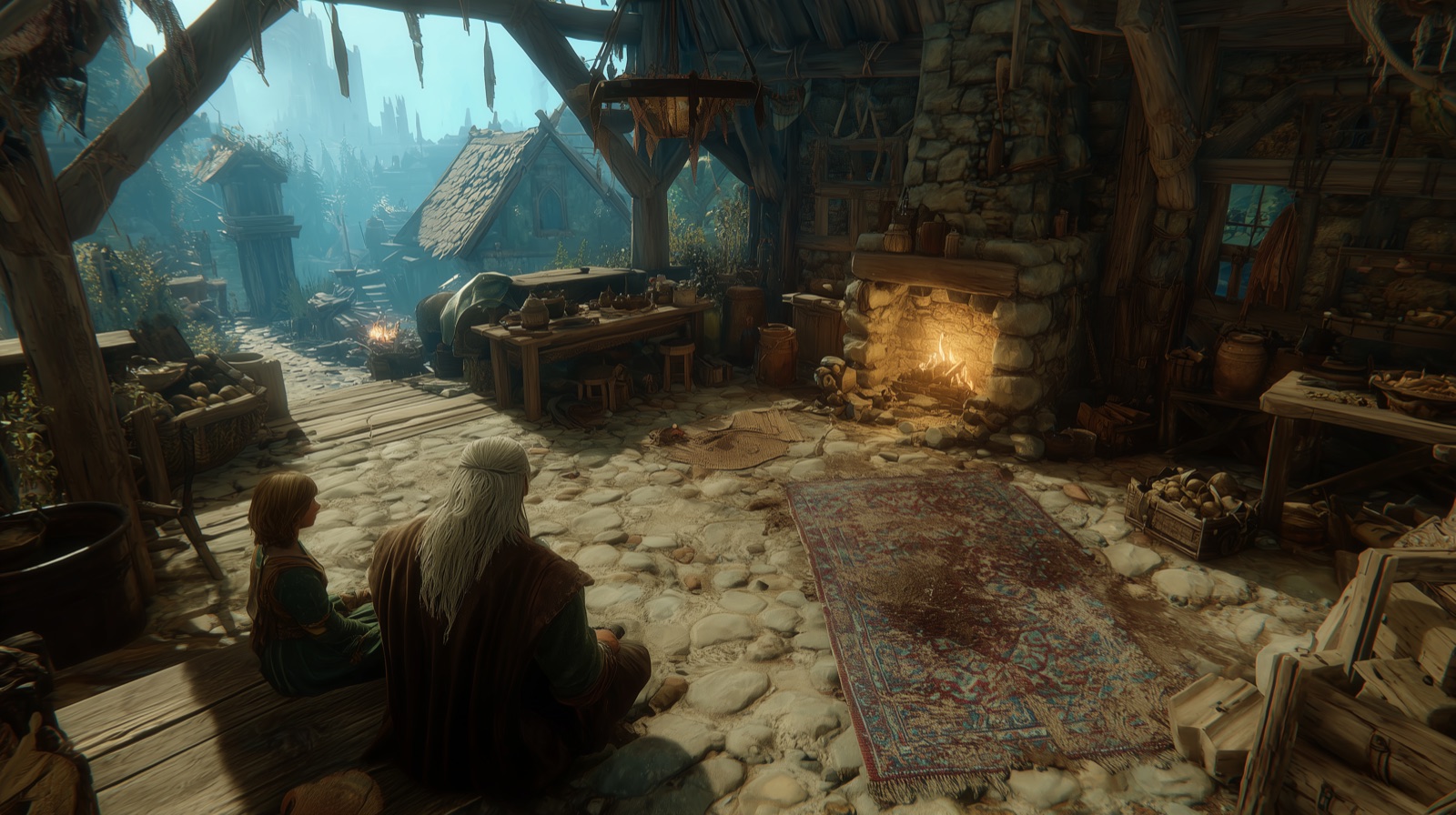
At home, things were different.
His mother Sihra saw beyond his words.
She saw the worry, not the arrogance.
She noticed how he stared at the river for long stretches, and how he came home exhausted without having worked.
She told him once: “You carry the world before it asks you to.”
His father Darin was a man of fewer words.
He watched his son stand apart from the others, and feared for him — not danger, but loneliness.
He said to him one evening: “If you see more… it means you will tire more.”
As for his little sister Lina, she understood none of it.
She only knew that her brother:
- Told her stories before bed
- Fixed her broken toy
- Looked at her as though he was afraid to leave her alone in a world he didn’t understand
What Niyar Saw
Niyar did not see a coming catastrophe.
He never said the village would collapse tomorrow.
What he saw was simpler… and more dangerous:
- Every year required more effort just to survive
- Every temporary fix consumed what little remained
- Every repair left a smaller margin for error
He could see that the village was living on borrowed time.
But he didn’t have the language to explain it.
So instead, he said harsh things.
He told the elders: “You treat the symptoms, not the disease.”
And once, in anger: “You don’t want to see.”
And when he said it, he lost them.
The Last Night
On the night he decided to leave, he was not sad.
He was full.
Full of fear, of urgency, and the feeling that staying would suffocate him.
He said to his mother: “If I stay, I’ll become like them.”
That sentence was wrong… and painful.
But Sihra did not shout.
She said quietly: “So you are afraid… not arrogant.”
He cried for the first time.
His father did not try to stop him.
He only said: “If you go, go to understand… not to prove you were right.”
As for Lina, she tugged at his robe and said: “Will you come back?”
He said: “I’ll come back when I know.”
He did not know that those words would haunt him for a lifetime.
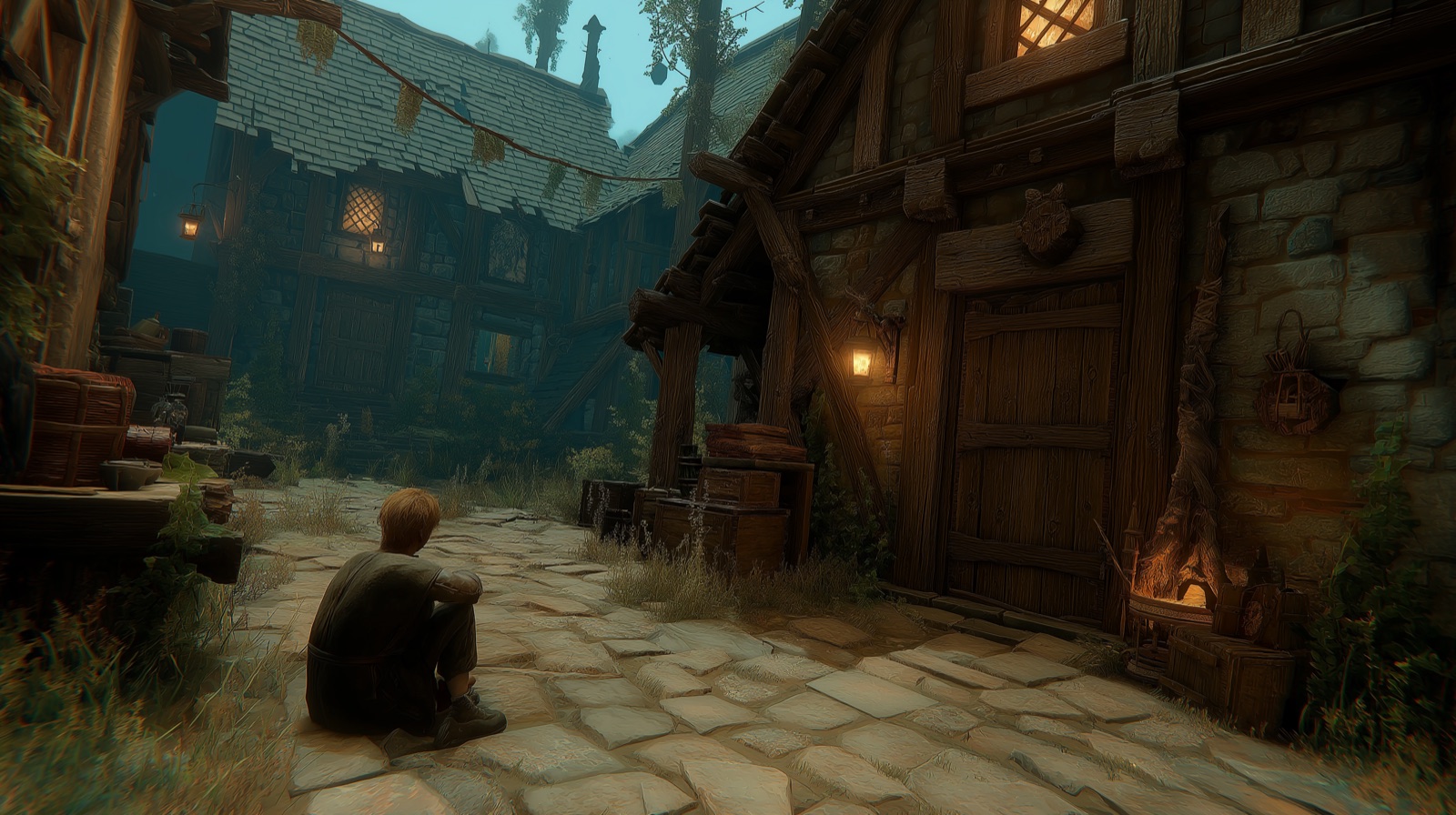
The Departure
Niyar left before dawn.
He did not say goodbye to the whole village.
He did not look back.
Not because he didn’t love them, but because he was afraid he would hesitate, or apologize, or stay.
His mother did not sleep that night.
His father repaired the roof alone in the morning.
And his sister waited for him by the river for days.
The village said: “He was clever… but difficult.”
The home said something else: “He carried more than his age could bear.”
Years Later
Many years later, when the name Niyar could no longer hold what he had come to know, he became known as Illder.
But deep inside, he remained that restless young man who had been right… and said the truth the wrong way.
And so, when Illder speaks today, he speaks slowly.
And when he sees what others cannot, he tries to explain… not to judge.
Because he learned, too late:
That vision without mercy becomes a wound, and that love does not prevent mistakes… but it makes leaving heavier.